HOPIQ SCORE
Die besten Pilsner der Welt
399 Biere von 303 Brauereien · Nach Stiltreue bewertet — nicht nach Marketing
Diese Rankings sind dynamisch. Je mehr Nutzer Biere auf hopIQ bewerten, matchen und liken, desto stärker fließt echtes Community-Feedback in die Ergebnisse ein — zusätzlich zu Stil-Authentizität und Award-Anerkennung.
Pilsner wurde 1842 in Plzeň, Böhmen, erfunden und hatte sich innerhalb weniger Jahrzehnte über ganz Europa verbreitet und fast jeden anderen Stil als weltweites Standard-Bier verdrängt. Die reisende Formel — helles Malz, edle Hopfen, weiches Wasser, Kaltgärung, langes Lagern — ist einfach zu beschreiben und außerordentlich schwer, über Durchschnittlichkeit hinaus gut auszuführen. Der hopIQ Score erfasst jedes Bier mit „Pils" oder „Pilsner" im Stilnamen, aus jedem Land, bewertet nach Stil-Authentizität und Award-Anerkennung.
Die Spitzengruppe ist wirklich international. Fränkische Craft-Pilsner-Spezialisten wie Kundmüller (Weiherer Pils, ein mehrfacher European-Beer-Star-Medaillengewinner), böhmische Klassiker wie Primátor Premium (Bestätigung, dass der Geburtsort des Stils noch immer Weltklasse-Beispiele produziert), belgische Außenseiter wie Bavik Super Pils und amerikanische Craft-Produzenten wie Sly Fox und Tenaya Creek tauchen alle auf — Beleg dafür, wie breit der Stil übernommen wurde, seit Plzeň ihn 1842 erfunden hat. Positionen verschieben sich mit jeder Score-Berechnung; der Mix aus europäischer Authentizität und amerikanischer Craft-Interpretation bleibt stabil.
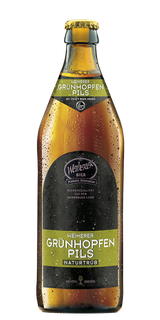
Einmal im Jahr zur Ernte: Weiherer holt frische Grünhopfen von heimischen Feldern und braut diese Pilsner am selben Tag. Würzig, grasig, aromatisch auf eine Art, die Trockenhopfen nicht schaffen — über einer knackigen, kerntrockenen…Einmal im Jahr zur Ernte: Weiherer holt frische Grünhopfen von heimischen Feldern und braut diese Pilsner am selben Tag. Würzig, grasig, aromatisch auf eine Art, die Trockenhopfen nicht schaffen — über einer knackigen, kerntrockenen Malzbasis. Ein Herbstbild im Glas. Nur wer zur rechten Zeit trinkt, erwischt ihn.
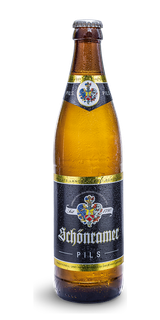
Zu Recht zählt dieses Bier zu Deutschlands besten Pilsnern – kalthopfengestopft mit Saphir-Hopfen für Zitrus- und Mandarinenaromaen über einer präzisen, sauberen Lagerbasis. Das Schönramer Saphir Pils zeigt, wie ein Pilsner aussieht, wenn…Zu Recht zählt dieses Bier zu Deutschlands besten Pilsnern – kalthopfengestopft mit Saphir-Hopfen für Zitrus- und Mandarinenaromaen über einer präzisen, sauberen Lagerbasis. Das Schönramer Saphir Pils zeigt, wie ein Pilsner aussieht, wenn ein Meisterbrauer dem Klassiker die gleiche Sorgfalt widmet wie modernen Craft-Brauern.

2023 World Beer Awards Gewinner — und das schmeckt man sofort. Knochentrocken, elegant, ohne Spielerei. Goldklar, frisch, feine Hallertauer Herbheit und das weiche Quellwasser-Finish der Weiherer Brautradition. Kein Ego, kein Aufwand — nur…2023 World Beer Awards Gewinner — und das schmeckt man sofort. Knochentrocken, elegant, ohne Spielerei. Goldklar, frisch, feine Hallertauer Herbheit und das weiche Quellwasser-Finish der Weiherer Brautradition. Kein Ego, kein Aufwand — nur perfekt umgesetzte Pilsner-Handwerk.
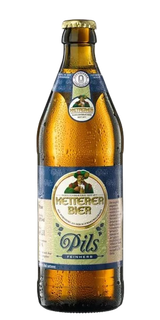
Ein strohgelbes Pils mit leuchtendem Glanz, das ein feinherbes, blumiges Hopfenaroma mit leichten Zitrusnoten entfaltet. Die Edelbittere kommt weich daher, ohne zu dominieren, und mündet in einen schlanken, trockenen Abgang. Der Hopfen…Ein strohgelbes Pils mit leuchtendem Glanz, das ein feinherbes, blumiges Hopfenaroma mit leichten Zitrusnoten entfaltet. Die Edelbittere kommt weich daher, ohne zu dominieren, und mündet in einen schlanken, trockenen Abgang. Der Hopfen bleibt herb und beherrscht, nie aufdringlich. Ein Bier für den frühen Abend. Gut gekühlt trinken.
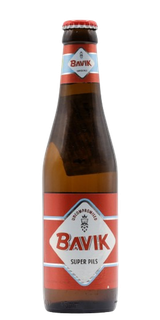
De Brabanderes Super Pils ist seit 1894 ungepasteurisiert — und dieses lebende Erbe zeigt sich in ihrer Präzision. Frisch hellgold, leicht würzig und mineraltrocken, bringt sie verfeinerte Edelhopp-Bittere ohne Aggression — das…De Brabanderes Super Pils ist seit 1894 ungepasteurisiert — und dieses lebende Erbe zeigt sich in ihrer Präzision. Frisch hellgold, leicht würzig und mineraltrocken, bringt sie verfeinerte Edelhopp-Bittere ohne Aggression — das Pilsner-Handwerk, das Belgien stillschweigend beherrscht, aber selten Anerkennung bekommt. Sauber, besonnen, endlos trinkbar.
Autenrieds Pilsner ist alles, was ein bayerisches Pils sein sollte: saubere Optik, hellgold, kompromisslos trocken. Die Hopfenbittere ist klar, aber verfeinert — würzig, nie harsch — und der Abgang so frisch, dass er dich sofort zum…Autenrieds Pilsner ist alles, was ein bayerisches Pils sein sollte: saubere Optik, hellgold, kompromisslos trocken. Die Hopfenbittere ist klar, aber verfeinert — würzig, nie harsch — und der Abgang so frisch, dass er dich sofort zum nächsten Schluck zieht. Ein Bier, das genau weiß, was es ist.
Das Pilsener erschien 1976 zur Kirchweih erstmals unter dem Namen Kaiserdom und wird mit 11,5 Prozent Stammwürze eingebraut. Es glänzt strohgelb unter einer festen weißen Schaumkrone. In der Nase stehen frische Aromahopfen mit grasigen und…Das Pilsener erschien 1976 zur Kirchweih erstmals unter dem Namen Kaiserdom und wird mit 11,5 Prozent Stammwürze eingebraut. Es glänzt strohgelb unter einer festen weißen Schaumkrone. In der Nase stehen frische Aromahopfen mit grasigen und kräutrigen Noten, gefolgt von einem Hauch Sommergerste und Kräcker. Der Antrunk ist spritzig, der Körper schlank, der Hopfengeschmack deutlich. Im Abgang folgt eine feste, lang anhaltende Bittere, hinter der eine leicht fruchtige Süße zurückbleibt.
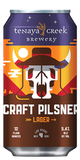
Gold bei der GABF 2002 in der Kategorie European-Style Pilsner — das Bier, das Tenaya Creek als ernstzunehmende Brauerei in einer Casinometropole etablierte. Sauber und goldfarben, mit würzigen Noten von Saaz-Hopfen und einer…Gold bei der GABF 2002 in der Kategorie European-Style Pilsner — das Bier, das Tenaya Creek als ernstzunehmende Brauerei in einer Casinometropole etablierte. Sauber und goldfarben, mit würzigen Noten von Saaz-Hopfen und einer befriedigenden, brotig-malzigen Basis.
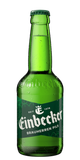
Einbecker Pils ist ein klassisches deutsches Pilsner, das die frische, saubere Charakteristik des Stils perfekt umsetzt – ausgewogen zwischen edler Hopfenbitterkeit und Malzsüße. Dieses traditionsreiche Bier besticht durch einen…Einbecker Pils ist ein klassisches deutsches Pilsner, das die frische, saubere Charakteristik des Stils perfekt umsetzt – ausgewogen zwischen edler Hopfenbitterkeit und Malzsüße. Dieses traditionsreiche Bier besticht durch einen erfrischenden, trockenen Abgang und eignet sich ideal als alltägliches Trinkbier mit echtem deutschen Brauhandwerk.