Friesisches Brauhaus zu Jever
Friesisches Brauhaus zu Jever goes back to Diedrich König, who began selling bottled beer in the Frisian town of Jever in 1848, when more than twenty small breweries operated in the area. From 1867 Theodor Fetköter expanded the business and laid a pipeline to a spring four kilometres outside town that still supplies the brewing water. After passing through a Hamburg brewing group and Brau und Brunnen, the brewery has belonged to the Radeberger Gruppe since 2004. Its soft, low-lime water allows a heavier hop dose, the basis of the dry, bitter pilsener sold under that name since 1934.
Beers by Friesisches Brauhaus zu Jever
5 beers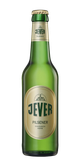
← scroll to see all 5 beers →
The recurring character behind the beers
Drawn from all 5 beers in the catalogue.
Four notes carry across the range. That's a tight house style — most breweries in the catalogue share just one.
Everything sits in one family — which makes the comparison below the interesting part. It isn't what they brew that sets them apart, but how.
Jever Pilsener
Their beers place in the Top 22% of the catalogue on average, across 3 ranked beers. Consistent rather than spiky — no single standout carrying the rest.
Similar Breweries
hopIQ exclusiveBased on style overlap and flavor profile
About Friesisches Brauhaus zu Jever
Friesisches Brauhaus zu Jever goes back to Diedrich König, who began selling bottled beer in the Frisian town of Jever in 1848, when more than twenty small breweries operated in the area. From 1867 Theodor Fetköter expanded the business and laid a pipeline to a spring four kilometres outside town that still supplies the brewing water. After passing through a Hamburg brewing group and Brau und Brunnen, the brewery has belonged to the Radeberger Gruppe since 2004. Its soft, low-lime water allows a heavier hop dose, the basis of the dry, bitter pilsener sold under that name since 1934.
Other breweries from Germany