BEER STYLE GUIDE
What is an IPA?
In 2000, IPA was a niche style almost nobody in Europe had heard of. By 2010, every craft bar had three on tap. By 2015, IPA was the biggest single style in American craft beer by volume. It didn't happen by accident. IPA taught a generation that hops could taste like citrus, tropical fruit, pine forest, or fresh grass — not just bitterness. That was a revelation, and once you've tasted it, the clean neutrality of industrial lager starts to feel like a step backwards.
The name comes from British colonial history: India Pale Ale, supposedly brewed stronger and hoppier to survive the sea voyage to India. The history is messier than the story, but the name stuck. Modern IPA barely resembles its Victorian ancestor. The craft revolution rewrote the style completely: West Coast IPA, Hazy/New England IPA, Double IPA, Session IPA, Black IPA — the family is enormous and growing. What they share: hop-first character, bitterness that ranges from assertive to stinging, and an ABV that typically sits between 5.5% and 7.5%.
WHERE IT SITS
1360 IPA on the four axes
Every beer in hopIQ is read on the same four axes. The bar shows the style range, the tick marks the median — two reference beers place themselves within it.
What this style tastes of
Share of the 500 beers in hopIQ carrying each note.
99% of the 500 beers carry a hoppy note — the most consistent trait of the style.
HOW IT TASTES
Soft malt, then a dry finish
Depends entirely on which IPA you're drinking. A West Coast IPA is sharp, dry, resinous — pine, grapefruit, clean and bitter. A Hazy IPA (New England style) is completely different: soft, round, tropical, low perceived bitterness even at high IBU. Both have cult followings. The malt is intentionally understated in most IPAs — it's there to support the hops, not compete. Look for citrus, stone fruit, tropical notes, resin, dank funk. ABV typically 5.5–7.5%, IBU 40–80. Never drink IPA warm.
You'll like it if you enjoy
- strong flavours generally
- citrusy or tropical drinks
- complexity and bitterness
- craft beer exploration
- bold aromatic wine styles
Look elsewhere if you want
- lager-level smoothness
- malt-forward sweeter character
- low bitterness and delicate beers
- drinking more than two without noticing
1360 IPA IN HOPIQ
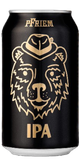
The highest-ranked IPA
Ranked by hopIQ Score — style fit, user engagement and awards. Not marketing budget.


COMPARED TO
IPA against other styles
QUESTIONS
Common questions about IPA
What's the difference between an IPA and a Stout?
Dark, roasted and surprisingly complex — why Guinness is just the beginning. The dedicated guide "What is a Stout?" covers the style in detail.
Which IPA should I start with?
Tally Mark IPA (Printshop Beer Co.) sits at the top of the IPA ranking in hopIQ — the most straightforward starting point.
How cold should an IPA be served?
8–10°C. Colder mutes the malt notes; warmer brings the aromatics and alcohol forward.
Find the IPA that fits your taste
Rate a few beers and hopIQ tells you which in the catalogue matches your palate — and which to skip.