
Warsteiner Brauerei
Warsteiner traces its origins to 1753, when the farmer Antonius Cramer paid tax on beer he brewed and sold himself in Warstein, in the Sauerland hills. The Cramer family still owns the business, now in its ninth generation. Very soft water from the Kaiserquelle spring led to the focus on Pilsener from 1927, and in 1976 Albert Cramer opened the Waldpark brewery on the edge of town. The group now trades as Haus Cramer and in 2026 announced that its Herforder and Paderborner brands will be brewed in Warstein.
AWARDS
Beers by Warsteiner Brauerei
11 beers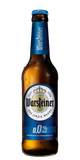
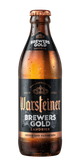
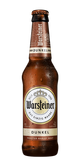
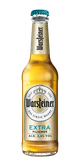
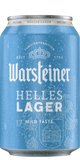
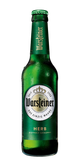
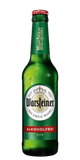
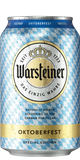
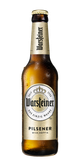
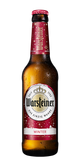
← scroll to see all 11 beers →
The recurring character behind the beers
Drawn from all 11 beers in the catalogue.
Four notes carry across the range. That's a tight house style — most breweries in the catalogue share just one. 3 of them come through every single beer.
Everything sits in one family — which makes the comparison below the interesting part. It isn't what they brew that sets them apart, but how.
Warsteiner Brewers Gold
Their beers place in the Top 17% of the catalogue on average, across 8 ranked beers. Consistent rather than spiky — no single standout carrying the rest.
Similar Breweries
hopIQ exclusiveBased on style overlap and flavor profile
About Warsteiner Brauerei
Warsteiner traces its origins to 1753, when the farmer Antonius Cramer paid tax on beer he brewed and sold himself in Warstein, in the Sauerland hills. The Cramer family still owns the business, now in its ninth generation. Very soft water from the Kaiserquelle spring led to the focus on Pilsener from 1927, and in 1976 Albert Cramer opened the Waldpark brewery on the edge of town. The group now trades as Haus Cramer and in 2026 announced that its Herforder and Paderborner brands will be brewed in Warstein.
Other breweries from Germany