Paulaner Brauerei
A Munich brewery whose origins lie with the Paulaner friars of the Neudeck ob der Au monastery, first documented brewing in 1634. The monks' strong lenten beer, Salvator, is the house's oldest surviving product and lent its suffix to a whole class of German strong beers. Secularised in the early nineteenth century and merged with the Thomassbräu brewery in 1923, Paulaner is majority-owned by the Schörghuber family and is one of six houses entitled to pour at the Munich Oktoberfest. The range centres on wheat beers and Munich pale lagers.
AWARDS
Beers by Paulaner Brauerei
14 beers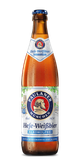
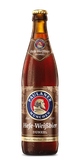
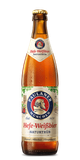
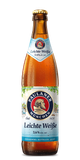
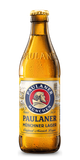
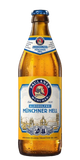
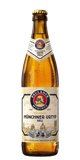
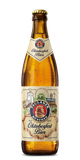

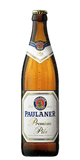
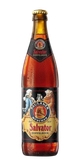
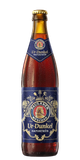
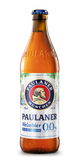
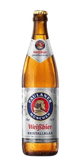
← scroll to see all 14 beers →
The recurring character behind the beers
Drawn from all 14 beers in the catalogue.
Four notes carry across the range. That's a tight house style — most breweries in the catalogue share just one.
A handful of styles across their range — a shared thread has to hold across each of them.
Across 14 beers in 3 style families, 2 traits still carry through — a broad range makes a shared signature harder to hold.
Paulaner Münchner Urtyp Hell
Their beers place in the Top 15% of the catalogue on average, across 11 ranked beers. Consistent rather than spiky — no single standout carrying the rest.
Similar Breweries
hopIQ exclusiveBased on style overlap and flavor profile
About Paulaner Brauerei
A Munich brewery whose origins lie with the Paulaner friars of the Neudeck ob der Au monastery, first documented brewing in 1634. The monks' strong lenten beer, Salvator, is the house's oldest surviving product and lent its suffix to a whole class of German strong beers. Secularised in the early nineteenth century and merged with the Thomassbräu brewery in 1923, Paulaner is majority-owned by the Schörghuber family and is one of six houses entitled to pour at the Munich Oktoberfest. The range centres on wheat beers and Munich pale lagers.
Other breweries from Germany