Brauerei Beck & Co.
Founded on 27 June 1873 as Kaiserbrauerei Beck & May on the Weser dyke in Bremen's Neustadt by builder Lüder Rutenberg, brewer Heinrich Beck and merchant Thomas May. From the start the brewery shipped its pilsner overseas, and its beer won a gold medal at the 1876 World Exhibition in Philadelphia. In 1981 it merged with Haake-Beck, whose regional beers are still brewed on the same site. Interbrew bought the family-owned company in 2001; today it belongs to AB InBev and exports to around 120 countries.
Beers by Brauerei Beck & Co.
7 beers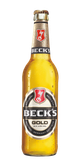
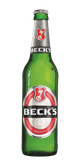
← scroll to see all 7 beers →
The recurring character behind the beers
Drawn from all 7 beers in the catalogue.
Four notes carry across the range. That's a tight house style — most breweries in the catalogue share just one. 2 of them come through every single beer.
Everything sits in one family — which makes the comparison below the interesting part. It isn't what they brew that sets them apart, but how.
Beck's Unfiltered
Their beers place in the Top 36% of the catalogue on average, across 5 ranked beers. Consistent rather than spiky — no single standout carrying the rest.
Similar Breweries
hopIQ exclusiveBased on style overlap and flavor profile
About Brauerei Beck & Co.
Founded on 27 June 1873 as Kaiserbrauerei Beck & May on the Weser dyke in Bremen's Neustadt by builder Lüder Rutenberg, brewer Heinrich Beck and merchant Thomas May. From the start the brewery shipped its pilsner overseas, and its beer won a gold medal at the 1876 World Exhibition in Philadelphia. In 1981 it merged with Haake-Beck, whose regional beers are still brewed on the same site. Interbrew bought the family-owned company in 2001; today it belongs to AB InBev and exports to around 120 countries.
Other breweries from Germany