HOPIQ SCORE
Die besten tschechischen Lagerbiere
30 Biere von 8 Brauereien · Nach Stiltreue bewertet — nicht nach Marketing
Diese Rankings sind dynamisch. Je mehr Nutzer Biere auf hopIQ bewerten, matchen und liken, desto stärker fließt echtes Community-Feedback in die Ergebnisse ein — zusätzlich zu Stil-Authentizität und Award-Anerkennung.
Die Tschechische Republik erfand 1842 in Plzeň das moderne Pilsner, und die Tradition des kaltgegärten, untergärig gereiften Lagers ist seitdem nie unterbrochen worden. Tschechisches Lager ist definiert durch weiches böhmisches Wasser, Saazer Hopfen aus der Region Žatec und lange Kaltreifung, die einen sauberen, runden Abgang mit zurückhaltender, aber deutlicher Bitterkeit erzeugt. Der hopIQ Score bewertet tschechische Lager nach Kriterien, die Saazer Hopfenaroma, brillante Klarheit und den trockenen Abgang eines ordentlich gereiften Lagers prämieren.
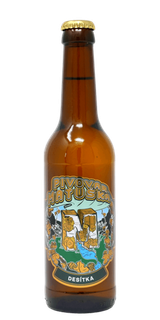
Die Spitzengruppe schöpft aus einer kleinen Handvoll unabhängiger tschechischer Brauereien, die auf Präzision setzen. Primátor aus Náchod (deren Premium ein mehrfach ausgezeichnetes tschechisches Pilsner ist), Bernard aus Humpolec (Světlý Ležák), Matuška (Desítka) und Krušovice (Královské und Imperial) platzieren dort alle Biere — und überflügeln bei internationalen Wettbewerben regelmäßig größere Volumenproduzenten. Positionen rotieren mit jeder Score-Berechnung; das Muster, dass kleine Independents bei Stiltreue führen, bleibt konstant.
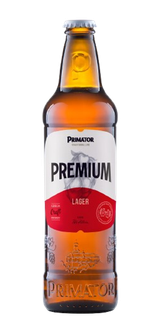
Das Premium ist das Hauptbier der Brauerei, ein helles Lager mit 12 Grad Stammwürze und 5,0 %, das in über 30 Länder exportiert wird. Gebraut wird es aus Pilsner Malz im Zweimaischverfahren, wie es für das tschechische Lager typisch ist,…Das Premium ist das Hauptbier der Brauerei, ein helles Lager mit 12 Grad Stammwürze und 5,0 %, das in über 30 Länder exportiert wird. Gebraut wird es aus Pilsner Malz im Zweimaischverfahren, wie es für das tschechische Lager typisch ist, vergoren in offenen Bottichen und lange im Lagerkeller gereift. Saazer und Sládek geben ihm einen würzigen, kräutrigen, leicht blumigen Charakter über einer Malzbasis mit Noten von frischem Brot und leichter Getreidesüße; der Körper ist mittel, die Kohlensäure lebhaft, die Bittere fest und ausgewogen.
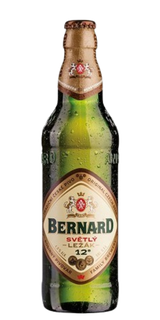
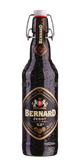
Bernard Světlý Ležák ist ein klassisches böhmisches helles Lager der familiengeführten Rodinný pivovar Bernard, das die traditionelle Braukunst Böhmens verkörpert. Das Bier besticht durch seinen frischen, erfrischenden Charakter mit…Bernard Světlý Ležák ist ein klassisches böhmisches helles Lager der familiengeführten Rodinný pivovar Bernard, das die traditionelle Braukunst Böhmens verkörpert. Das Bier besticht durch seinen frischen, erfrischenden Charakter mit perfekt ausbalancierter Bitterkeit edler Hopfensorten und subtiler Malzsüße.
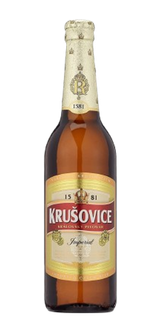
Krušovices stärkeres Premium-Lager — das Prädikat „Imperial" verweist auf das königliche und kaiserliche Erbe der Brauerei von 1583. Vollmundiger und mit dezenten wärmenden Noten bei 6,0 % ABV, charakterisiert durch ein reicheres…Krušovices stärkeres Premium-Lager — das Prädikat „Imperial" verweist auf das königliche und kaiserliche Erbe der Brauerei von 1583. Vollmundiger und mit dezenten wärmenden Noten bei 6,0 % ABV, charakterisiert durch ein reicheres Malzprofil und eine kräftigere Hopfenbitternote als das Standard-Královské. Krušovice Imperial ist die Premium-Variante der königlichen Reihe: das Bier für Momente, die etwas Kräftigeres verlangen als die Standardversion.
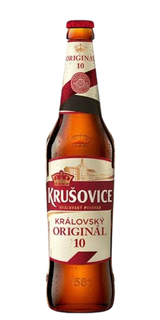
Die Royal Krušovice Pale Lager — „Královské" bedeutet „Königlich". Gebraut in der historischen Brauerei Krušovice von 1583 mit Bohemian Saaz und weichem böhmischen Quellwasser. Sauber und vollmundig-malzig mit sanfter Hopfenbitterkeit und…Die Royal Krušovice Pale Lager — „Královské" bedeutet „Königlich". Gebraut in der historischen Brauerei Krušovice von 1583 mit Bohemian Saaz und weichem böhmischen Quellwasser. Sauber und vollmundig-malzig mit sanfter Hopfenbitterkeit und ausgewogenem, erfrischendem Abgang. International als „Royal Krušovice" exportiert, ist die Královské das Flaggschiff eines Bieres mit echten königlichen Wurzeln in der Geschichte.
Gambrinus Original ist ein klassisches tschechisches helles Lager der Brauerei Plzeňský Prazdroj mit goldener Farbe und erfrischendem, knackigem Charakter. Das Bier verkörpert die traditionelle böhmische Braukunst mit einem ausgewogenen…Gambrinus Original ist ein klassisches tschechisches helles Lager der Brauerei Plzeňský Prazdroj mit goldener Farbe und erfrischendem, knackigem Charakter. Das Bier verkörpert die traditionelle böhmische Braukunst mit einem ausgewogenen Profil aus feiner Malzsüße und edler Hopfenbitterkeit.
Das Original-Pilsner und das wichtigste Bier der Geschichte — 1842 in Plzeň von Josef Groll gebraut, schuf Pilsner Urquell den Bierstil, der heute über 90 % des weltweiten Bierkonsums ausmacht. Noch immer wird es in der ursprünglichen…Das Original-Pilsner und das wichtigste Bier der Geschichte — 1842 in Plzeň von Josef Groll gebraut, schuf Pilsner Urquell den Bierstil, der heute über 90 % des weltweiten Bierkonsums ausmacht. Noch immer wird es in der ursprünglichen Brauerei in Plzeň gebraut, mit böhmischem Saaz, mährischem Malz und dem weichen Plzener Wasser. Golden, kristallklar und knackig frisch mit einer charakteristischen Kräuterbitterkeit und trockenem Abgang. Der Maßstab des Stils.
Das Fest Hořká 12 kam im September 2025 als bewusst bitteres Lager mit 12 Grad Stammwürze und 5,1 % auf den Markt; Braumeister Pavel Novák beschreibt es als Rückkehr zur klassischen tschechischen Brauschule. Gebraut wird es im…Das Fest Hořká 12 kam im September 2025 als bewusst bitteres Lager mit 12 Grad Stammwürze und 5,1 % auf den Markt; Braumeister Pavel Novák beschreibt es als Rückkehr zur klassischen tschechischen Brauschule. Gebraut wird es im Zweimaischverfahren aus tschechischem und Münchner Malz, dreimal gehopft mit Saazer und Sládek. Tiefgolden im Glas, verbindet es vollen Malzkörper, Noten von Brotkruste und leichtem Karamell, einen feinen kräutrig-blumigen Hopfenduft, frische Kohlensäure und eine ausgeprägte, lang anhaltende Bittere.
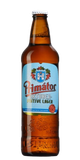
Das Festive Lager, in früheren Jahren als Oktoberfestive verkauft, ist ein saisonales Lagerbier mit 5,5 %, das Primátor für den schwedischen Markt braut und dort jeden Herbst als limitierte Ausgabe in den Handel bringt. Es steht golden mit…Das Festive Lager, in früheren Jahren als Oktoberfestive verkauft, ist ein saisonales Lagerbier mit 5,5 %, das Primátor für den schwedischen Markt braut und dort jeden Herbst als limitierte Ausgabe in den Handel bringt. Es steht golden mit leichtem Bernsteinschimmer unter dichtem Schaum. Der Körper ist rund und voll, dabei frisch; das Malz führt mit Noten von Honig, Stroh und Brot, dazu kommen dunkles Sirupbrot, Aprikose, Butterkaramell und Orangenschale, während der Saazer Hopfen eine leichte, ausgewogene Bittere beisteuert.