HOPIQ SCORE
Die besten Hefeweizen der Welt
225 Biere von 177 Brauereien · Nach Stiltreue bewertet — nicht nach Marketing
Diese Rankings sind dynamisch. Je mehr Nutzer Biere auf hopIQ bewerten, matchen und liken, desto stärker fließt echtes Community-Feedback in die Ergebnisse ein — zusätzlich zu Stil-Authentizität und Award-Anerkennung.
Hefeweizen ist einer der technisch anspruchsvollsten Bierstile überhaupt und einer der am sofortigen erkennbarsten. Die charakteristische Banane-Nelke-Balance entsteht ausschließlich durch einen spezifischen bayerischen Hefestamm unter präziser Gärtemperaturkontrolle: zu warm, und Banane dominiert; zu kühl, und Nelke übernimmt. Der hopIQ Score bewertet Hefeweizen nach dieser Hefebalance, der natürlichen Trübe durch Resthefen und dem Weizenmalzanteil, der den Stil von anderen Ales unterscheidet.
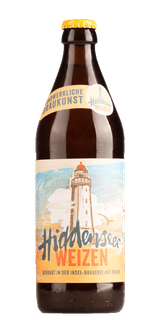
Die Spitzengruppe ist ausschließlich deutsch — was den Ursprung des Stils und die Tiefe des heimischen Wettbewerbs widerspiegelt. Kleine Produzenten wie die Hiddenseer Inselbrauerei tauchen neben bayerischen Maßstäben auf — Ayinger (eines der international am stärksten dekorierten Hefeweizen), Hofmühl und mehrere Ausprägungen von Weihenstephan, der ältesten aktiven Brauerei der Welt. Nicht-deutsche Hefeweizen existieren, bewerten sich aber selten an der Spitze dieses Rankings; der Hefestamm und die Gärkontrolle, die den Stil definieren, reisen am besten, wenn sie zuhause hergestellt werden.

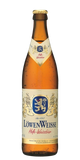
Ein hefetrübes helles Weizenbier von leuchtendem Goldton unter einer feinen Schaumkrone. Im Duft führen eine sanfte obergärige Hefeblume und eine deutliche Banane, dahinter steht eine leichte Nelkenkante. Der Antrunk ist samtig, weich und…Ein hefetrübes helles Weizenbier von leuchtendem Goldton unter einer feinen Schaumkrone. Im Duft führen eine sanfte obergärige Hefeblume und eine deutliche Banane, dahinter steht eine leichte Nelkenkante. Der Antrunk ist samtig, weich und mild, getragen von einer champagnerähnlichen Rezenz. Der Körper fällt für diese Stärke voll aus, im Abgang stehen zarte würzig-fruchtige Zitrusnoten. Die Bittere bleibt durchweg kaum bemerkbar. Eingebraut mit 11,8 Grad Stammwürze.
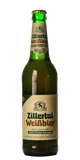
Ein obergäriges Bier aus Dinkel, der Urform des Weizens, und Gerstenmalz, das die Brauerei 1997 auf den Markt brachte. Das Dinkelmalz stammt aus der eigenen Bio-Mälzerei. Im Glas zeigt sich ein natürlich trübes Goldgelb unter schneeweißem…Ein obergäriges Bier aus Dinkel, der Urform des Weizens, und Gerstenmalz, das die Brauerei 1997 auf den Markt brachte. Das Dinkelmalz stammt aus der eigenen Bio-Mälzerei. Im Glas zeigt sich ein natürlich trübes Goldgelb unter schneeweißem Schaum. Zarte Noten von Banane, Nuss und Vanille prägen den Duft, dahinter liegen eine leichte Nelke und ein brotiger Getreideton. Am Gaumen wirkt das Dinkel fruchtig und spritzig und zugleich weich und vollmundig, die milde Bittere klingt rasch ab.
Hirsch Bräuereis Hefe Weisse ist Weizenbier wie es sein soll — lebhafte Banane und Nelke springen sofort hervor, gefolgt von samtigem, luftigem Körper. Hohe Kohlensäure hält es frisch statt klebrig. Ein Bier, das erinnert, warum der Stil…Hirsch Bräuereis Hefe Weisse ist Weizenbier wie es sein soll — lebhafte Banane und Nelke springen sofort hervor, gefolgt von samtigem, luftigem Körper. Hohe Kohlensäure hält es frisch statt klebrig. Ein Bier, das erinnert, warum der Stil anhält.
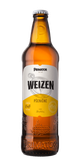
Weltbestes Weizenbier 2025. Ein herausragendes Hefeweizen im bayerischen Stil — gelb-orange und naturtrüb mit cremefarbenem Schaum. Die Nase offenbart Banane, Zitrus und tropische Früchte; im Geschmack explodieren Orange, Ananas und Honig.…Weltbestes Weizenbier 2025. Ein herausragendes Hefeweizen im bayerischen Stil — gelb-orange und naturtrüb mit cremefarbenem Schaum. Die Nase offenbart Banane, Zitrus und tropische Früchte; im Geschmack explodieren Orange, Ananas und Honig. Lebhaft und spritzig mit fruchtigen Noten, sanfter Säure und zartem Süßeabgang.
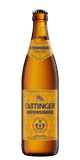
Das Weißbier ist ein obergäriges Hefeweizen, eingebraut mit 11,5 Prozent Stammwürze und vergoren mit Hefe aus der eigenen Reinzucht der Brauerei. Es leuchtet goldgelb mit orangen Reflexen unter einem festen, cremigen Schaum. Die Hefe prägt…Das Weißbier ist ein obergäriges Hefeweizen, eingebraut mit 11,5 Prozent Stammwürze und vergoren mit Hefe aus der eigenen Reinzucht der Brauerei. Es leuchtet goldgelb mit orangen Reflexen unter einem festen, cremigen Schaum. Die Hefe prägt eine deutlich fruchtige Nase mit reifer Banane und einem leichten Anklang von Nelke. Am Gaumen setzt sich die Frucht in einem hefig-milden, vollmundigen Geschmack fort, fein moussierend, während der Hopfen im Hintergrund bleibt. Vor der Abfüllung reift es in Ruhe nach.
Ein naturtrübes Hefeweizen aus dem Schwarzwald, mattgolden im Glas und getragen von einer obergärigen Hefe, die frische Fruchtaromen mitbringt. Apfel und Banane treten deutlich hervor, der Körper bleibt ausgewogen, die Bittere…Ein naturtrübes Hefeweizen aus dem Schwarzwald, mattgolden im Glas und getragen von einer obergärigen Hefe, die frische Fruchtaromen mitbringt. Apfel und Banane treten deutlich hervor, der Körper bleibt ausgewogen, die Bittere zurückhaltend. Die feinperlige Kohlensäure trägt das Bier lebendig voran. Ein erfrischendes Weizen für den Nachmittag, das Frucht vor Würze stellt. Bei sieben bis neun Grad servieren.
Das bekannteste Bier der Staatsbrauerei ist ein naturtrübes, obergäriges Weißbier aus Gersten- und Weizenmalz. Im Glas steht es trüb und bernsteinfarben unter feinporigem weißem Schaum, in der Nase führt die Gewürznelke vor reifer Banane.…Das bekannteste Bier der Staatsbrauerei ist ein naturtrübes, obergäriges Weißbier aus Gersten- und Weizenmalz. Im Glas steht es trüb und bernsteinfarben unter feinporigem weißem Schaum, in der Nase führt die Gewürznelke vor reifer Banane. Am Gaumen liegen Banane und Nelke auf einer dezent würzigen, weichen Weizenbasis; der Körper wird fast cremig, der Abgang bleibt mild und kaum bitter. Die Stammwürze liegt bei 12,7 °P.
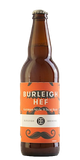
Das HEF stammt aus dem Jahr 2009 und kehrt als limitierter Sud immer wieder zurück. Es ist ein unfiltriertes Weizenbier nach bayerischer Tradition, eingebraut mit hohem Weizenanteil neben Gerstenmalz, deutschem Hopfen und klassischer…Das HEF stammt aus dem Jahr 2009 und kehrt als limitierter Sud immer wieder zurück. Es ist ein unfiltriertes Weizenbier nach bayerischer Tradition, eingebraut mit hohem Weizenanteil neben Gerstenmalz, deutschem Hopfen und klassischer Weizenbierhefe. Im Glas steht es trüb goldgelb, eingetrübt von Hefe und Weizeneiweiß. In der Nase liegen reife Banane und Nelke vorn, am Gaumen wirkt es weich und sauber, mit leichter Brotnote vom Weizen, frischer Zitrusnote und einem sanft würzigen Abgang.