HOPIQ SCORE
The Best German Pilsners
175 beers from 118 breweries · Ranked by style authenticity — not marketing
These rankings are dynamic. As more people rate, match and like beers on hopIQ, community signals will increasingly shape the results alongside style authenticity and award recognition.
German Pilsner is one of brewing's most demanding styles. Pale, brilliantly clear, bone-dry, and built on nothing but precise malt balance, noble hops, and weeks of cold conditioning — there is nowhere to hide a flaw. The hopIQ Score for German Pilsners gives meaningful weight to medals from European competitions like the European Beer Star, where judges bring deep expertise in the style and grade harshly on clarity, bitterness precision, and finish.
The result is a ranking anchored by regional breweries whose names rarely appear outside their home Landkreis but whose beers compete with anyone. Franconian craft-pilsner specialists like Kundmüller and Mahrs Bräu, Bavarian precision brewers like Schönramer, and centuries-old mainstays like Einbecker and Weihenstephaner all appear in the top group — European Beer Star medallists that taste like a reminder of what pilsner was before mass production. Widely distributed brands appear further down; the hopIQ Score rewards authenticity, not shelf presence.
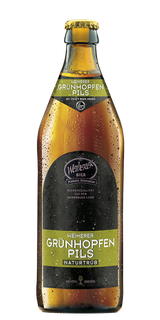
Once a year at harvest, Weiherer pulls fresh green hops straight from Franconian fields and brews this Pils the same day. The wet-hop character is vivid — grassy, herbal, almost aromatic in a way dried hops can't quite touch — laid over a…Once a year at harvest, Weiherer pulls fresh green hops straight from Franconian fields and brews this Pils the same day. The wet-hop character is vivid — grassy, herbal, almost aromatic in a way dried hops can't quite touch — laid over a crisp, bone-dry malt base. It's a snapshot of autumn in a glass; catch it when you can.
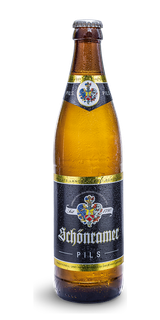
Consistently ranked among Germany's finest Pilsners — dry-hopped with Saphir hops for a citrus and tangerine aroma over a precise, clean lager base. Schönramer Saphir Pils is what a Pilsner looks like when a master brewer treats the style…Consistently ranked among Germany's finest Pilsners — dry-hopped with Saphir hops for a citrus and tangerine aroma over a precise, clean lager base. Schönramer Saphir Pils is what a Pilsner looks like when a master brewer treats the style with the same care as craft.

Weiherer Pils earned the World Beer Awards' top spot in 2023, and a sip explains why: bone-dry, elegant, and built on nothing but craft. Golden, crisp, with fine Hallertau bitterness and the soft quellwater character that made this…Weiherer Pils earned the World Beer Awards' top spot in 2023, and a sip explains why: bone-dry, elegant, and built on nothing but craft. Golden, crisp, with fine Hallertau bitterness and the soft quellwater character that made this Bavarian village legendary for beer. No padding, no ego—just the pilsner blueprint executed flawlessly.
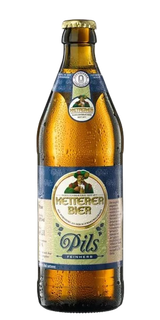
A pale gold Pilsner with a luminous sheen that carries a delicate, floral hop character rounded out by subtle citrus notes. The bitterness arrives gently—refined rather than assertive—and dissolves into a lean, crisp body that feels…A pale gold Pilsner with a luminous sheen that carries a delicate, floral hop character rounded out by subtle citrus notes. The bitterness arrives gently—refined rather than assertive—and dissolves into a lean, crisp body that feels weightless on the palate. The hop profile is the quiet anchor here: herbal and composed, never aggressive. This is a beer for the early evening, when you want clarity without harshness, complexity without demands. It has won consistently at major competitions, a recognition that speaks to its precision rather than any bold statement. Serve it cold and fresh.
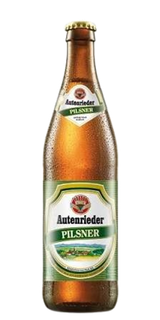
Schlossbrauerei Autenried's Pilsner is everything a Bavarian Pils should be: clean, pale gold, and unapologetically dry. The hop bitterness lands firm but refined — herbal, never harsh — and the finish is so crisp it pulls you straight to…Schlossbrauerei Autenried's Pilsner is everything a Bavarian Pils should be: clean, pale gold, and unapologetically dry. The hop bitterness lands firm but refined — herbal, never harsh — and the finish is so crisp it pulls you straight to the next sip. A beer that knows exactly what it is and does it without fanfare.
The Pilsener first appeared under the Kaiserdom name at the 1976 church fair and is brewed to 11.5 percent original gravity. It shines straw yellow beneath a firm white head. Fresh aroma hops lead the nose with grassy and herbal notes,…The Pilsener first appeared under the Kaiserdom name at the 1976 church fair and is brewed to 11.5 percent original gravity. It shines straw yellow beneath a firm white head. Fresh aroma hops lead the nose with grassy and herbal notes, followed by a light touch of summer barley and cracker. The first sip is crisp, the body slim, the hop flavour pronounced. The finish turns firmly bitter and long, with a faint fruity sweetness lingering at the end.
Einbecker Pils is a classic German pilsner that showcases the crisp, clean characteristics of the style with a perfect balance of noble hop bitterness and malt sweetness. This traditional brew delivers a refreshing, dry finish that makes…Einbecker Pils is a classic German pilsner that showcases the crisp, clean characteristics of the style with a perfect balance of noble hop bitterness and malt sweetness. This traditional brew delivers a refreshing, dry finish that makes it an ideal everyday drinking beer with authentic German brewing heritage.
Radeberger Pilsner is the beer the Saxon brewery has made since 1872, and it is still brewed at a single site. Soft, low-mineral brewing water, an original gravity of 11.65 percent and the German hop varieties Perle, Herkules, Hallertauer…Radeberger Pilsner is the beer the Saxon brewery has made since 1872, and it is still brewed at a single site. Soft, low-mineral brewing water, an original gravity of 11.65 percent and the German hop varieties Perle, Herkules, Hallertauer Magnum and Taurus shape it, followed by a long maturation. It pours clear and pale gold under a fine white head. The nose shows light malt and fresh hops; the palate is dry, with straw, cut grass and a touch of hay, and the finish stays firm and lingeringly bitter.
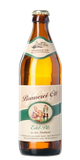
A Franconian Pilsner brewed with an unusually high, late aroma-hop addition — the slender body and pale yellow color let the hop nose lead rather than the bitterness. Traditional execution at 11.4° Stammwürze; clean finish, mountain spring…A Franconian Pilsner brewed with an unusually high, late aroma-hop addition — the slender body and pale yellow color let the hop nose lead rather than the bitterness. Traditional execution at 11.4° Stammwürze; clean finish, mountain spring water base.