
Belgian Sour covers Lambic (spontaneously fermented), Gueuze (blended Lambic), Flanders Red, Oud Bruin and fruit-aged variants. Each sub-style has its own balance of acidity, wood and fruit. The hopIQ Score for Belgian Sour evaluates each beer against its sub-style reference and weights medals from style-judged competitions.
Currently leading the ranking: Boon Oude Geuze (Brouwerij Boon), Boon Geuze Mariage Parfait and VanderGhinste Roodbruin (Brouwerij Omer Vander Ghinste).
How this ranking works
The hopIQ Score judges every beer against its style first: it rewards medals from competitions that judge within style categories and deducts points where a beer measurably deviates from its style reference. Community ratings add to that. Non-alcoholic excluded. No paid placement — order follows the data alone. Ranking spans 49 beers from 10 breweries.
Top 5 of 49
ABV
7.0%
Bitterness
Mild
Colour
golden 6
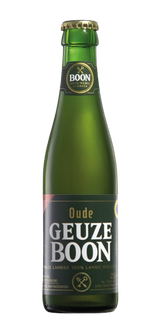
A monument of spontaneous fermentation — a traditional 100% natural Oude Geuze blended from 18-month-old lambic with a small proportion of 3-year-old beer. Unsweetened, unfiltered and unpasteurised, bottle-refermented, with a fresh citrus…A monument of spontaneous fermentation — a traditional 100% natural Oude Geuze blended from 18-month-old lambic with a small proportion of 3-year-old beer. Unsweetened, unfiltered and unpasteurised, bottle-refermented, with a fresh citrus and oak character. World Beer Awards Gueuze Winner 2025.

Boon Geuze Mariage Parfait#293 worldwide
ABV
8.0%
Bitterness
Mild
Colour
golden 8
Boon's prestige blend — 95% of three-year-old lambic specially reserved for this purpose, combined with 5% young lambic for refermentation. Soft, mildly sour berry notes harmonise with oak barrel aromas and a long, complex finish with…Boon's prestige blend — 95% of three-year-old lambic specially reserved for this purpose, combined with 5% young lambic for refermentation. Soft, mildly sour berry notes harmonise with oak barrel aromas and a long, complex finish with vanilla and cloves.

VanderGhinste Roodbruin#362 worldwide
ABV
5.5%
Bitterness
Mild
Colour
deep amber 20
The first beer Omer Vander Ghinste brought to market in 1892, originally sold as Ouden Tripel; after several name changes the brewery returned to its 1892 name in 2012, with a label based on a poster from the early 1920s. A top-fermented…The first beer Omer Vander Ghinste brought to market in 1892, originally sold as Ouden Tripel; after several name changes the brewery returned to its 1892 name in 2012, with a label based on a poster from the early 1920s. A top-fermented brew of barley malt, wheat, caramel malt and hops is blended with spontaneously fermented beer aged at least 18 months in oak foeders. Deep red-brown in the glass, it smells of red fruit and caramel and balances sweetness against a soft acidity, finishing refreshing and thirst-quenching.
Which of these beers fits your taste?
Build your Beer DNA and see which of these top beers fit your taste — free, in two minutes.
Build my Beer DNA4
Rodenbach Vintage#391 worldwide
ABV
7.0%
Bitterness
Mild
Colour
dark 28
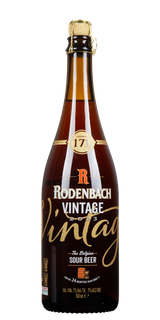
World Beer Cup 2026 Silver. Unblended Rodenbach aged for two years in a single foeder. Complex, tart and vinous with red berry fruit, balsamic vinegar, oak and a long dry finish. One of Belgium's most prestigious limited releases. Ranked on fit to the Sour reference, award history in style-judged competitions and community ratings.
5
ABV
5.5%
Bitterness
Mild
Colour
golden 5
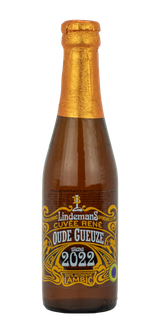
Lindemans' traditional gueuze — a sparkling, slightly dry blend of young and old lambic, refermented in the bottle. Named in honour of René Lindemans who convinced the brewery to revive the style in 1995. Ranked on fit to the Sour reference, award history in style-judged competitions and community ratings.
Ranks 6–10
6

Duchesse de Bourgogne#698 worldwide
Duchesse de Bourgogne is the flagship of the house and a Flemish red-brown ale of the classic school, matured for eight to eighteen months in old oak foeders. It pours a deep red-brown under an off-white head. The nose is complex: sour…Duchesse de Bourgogne is the flagship of the house and a Flemish red-brown ale of the classic school, matured for eight to eighteen months in old oak foeders. It pours a deep red-brown under an off-white head. The nose is complex: sour cherry, balsamic vinegar and oak sit over a dark caramel base with a whisper of vanilla. The palate is tart yet rounded, with cherry, redcurrant, and a soft brown-sugar sweetness that keeps the sourness in check; the finish is dry with a lingering oaky tartness.
7
Cuvée des Jacobins#836 worldwide
A 100 % foeder beer: an unblended, spontaneously fermented brew, which the brewery calls lambic, matured for 18 months in oak casks. The name recalls the Rue des Jacobins in Paris, where the first Omer stayed briefly during the First World…A 100 % foeder beer: an unblended, spontaneously fermented brew, which the brewery calls lambic, matured for 18 months in oak casks. The name recalls the Rue des Jacobins in Paris, where the first Omer stayed briefly during the First World War. Dark red under a light head, it opens soft and tart, with vanilla, cocoa and sour cherries on the nose. The body is robust yet balanced, and the finish brings vanilla, dried cherries and cocoa – a complex sour beer rather than a sharp one.
8

Wijnberg is De Ranke's take on oud bruin, the sour brown ale typical of the region between Kortrijk and Oudenaarde. The brewery blends one third young beer with two thirds oud bruin aged at least two years in wood, and adds foeder beer…Wijnberg is De Ranke's take on oud bruin, the sour brown ale typical of the region between Kortrijk and Oudenaarde. The brewery blends one third young beer with two thirds oud bruin aged at least two years in wood, and adds foeder beer from a neighbouring brewery in Bellegem for extra depth, aiming to reconcile two traditional takes on the style. It pours dark ruby brown. Cherry, plum, red grape, cocoa and musty oak shape the aroma. The palate balances a gentle sourness against caramel sweetness and stays round, soft and easy to drink.
9

Mirakel is De Ranke's own gueuze-style blend and the brewery's first venture into spontaneous fermentation. At its heart is Spierelambiek, a spontaneously fermented beer brewed in Dottignies and named after a small river that runs near the…Mirakel is De Ranke's own gueuze-style blend and the brewery's first venture into spontaneous fermentation. At its heart is Spierelambiek, a spontaneously fermented beer brewed in Dottignies and named after a small river that runs near the brewery. It is blended with two traditional lambics from the Senne valley, using one-, two- and three-year-old beer. It pours clear gold with a lively white head. Green apple, lemon, unripe grape, gooseberry and hay fill the nose. The palate is tart, crisp and very dry, with light oak, a faint bitterness and a mineral finish.
10
A collaboration with the Piedmont winery Cascina degli Ulivi, blending two-year lambic with the marc of nine indigenous grape varieties. The skins went through a nine-month maceration before the blend was made, which is by far the longest…A collaboration with the Piedmont winery Cascina degli Ulivi, blending two-year lambic with the marc of nine indigenous grape varieties. The skins went through a nine-month maceration before the blend was made, which is by far the longest fruit contact in the range. It reaches 6.5 percent and sales at the brewery are limited to one bottle per person.

The taste landscape
Of the 49 top beers, 12 lean malt-forward and 11 lean hop-forward.