hopIQ
ENDE
Build your DNASign in

Guinness Special Export

Tap to rate

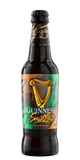
Commissioned in 1912 by a Belgian importer and shipped from Dublin to Antwerp ever since; it was also the first Guinness to be pasteurised, in 1930. At eight per cent it is the strongest beer in the range. The aroma is dense with roasted malt, dark chocolate and a smoky, woody edge. The palate is thick and mouth-filling, the roast bitterness firm, and the finish runs long without turning harsh. In the United States it has been sold as Antwerpen Stout.

ABV
8%
Bitterness
Strongly bitter52 IBU
Roasted bitterness
SRM
dark35
PaceSipper
Where this beer sits
Body
lightfull-bodied
Sweetness
drysweet
Bitterness
mildbitter
Texture
crispcreamy
Balance
malt-forwardhop-forward
What makes this beer itself
roastedchocolatesmoky
roasted
chocolate
smoky
coffee
dark fruit
Aroma
The nose opens with prominent roasted malt and dark chocolate notes, accented by a distinctive smoky, woody character.
not found:hoppy,caramel,fruity,spicy

Tasting Notes

AI-generated sensory profile for Guinness Special Export

◎ Appearance

Deep black pour with a dense, creamy tan head that persists impressively throughout the glass. The clarity is opaque as expected for the style, with a rich, oily sheen that speaks to its full-bodied nature. Excellent head retention and minimal carbonation create an elegant, refined presentation.

deep blackcreamy tan headopaqueoily sheen

◌ Aroma

The nose opens with prominent roasted malt and dark chocolate notes, accented by a distinctive smoky, woody character. Secondary aromas of coffee and charred grain emerge with time, while subtle dark fruit undertones provide complexity. The aromatic profile is dense and inviting without being overpowering.

roasted maltdark chocolatesmoky-woodycoffee

◐ Taste

The palate is thick and luxuriously mouth-filling, with the roasted bitterness arriving firm and well-integrated at mid-palate. Flavors of dark chocolate, coffee, and subtle dark fruit weave seamlessly through the body, supported by the warming presence of 8% ABV. The roast character dominates without turning acrid or harsh.

thick bodyroasted bitternesschocolate-coffeewarming alcohol

◑ Finish

The finish runs long and persistent, leaving a pleasant roasted grain and dark chocolate aftertaste that gradually fades. The bitterness lingers without becoming astringent, demonstrating excellent balance and refinement.

long lingeringroasted aftertastebalanced
87
hopIQ score
Aroma
88
Taste
87
Appearance
85
Finish
86
Serve at 10–14°C

Slightly warmer than you might expect. 10–13°C lets the roasted malt, chocolate and coffee notes open up fully.

Pint glass

The classic — versatile, comfortable to hold and keeps the beer cool. No frills, no distractions: just the beer.

Drink within a year. Standard stouts are best fresh but hold reasonably well for 6–12 months.

+ Sign in to add your tasting note

Food Pairing

What to eat with Guinness Special Export

More from Guinness

Guinness 0.0
Guinness 0.0
Alcohol-Free Stout
0%·Noticeably bitter
Find matches →
Guinness Baltimore Blonde
Guinness Draught
Guinness Draught
Irish Dry Stout
4.2%·Strongly bitter
Find matches →
Guinness Extra Stout
Irish Dry Stout
5.6%·Noticeably bitter
Find matches →
Guinness Foreign Extra Stout
Foreign Extra Stout
7.5%·Strongly bitter
Find matches →
Guinness Hop House 13
Pale Lager
4.1%·Lightly bitter
Find matches →
Guinness Original
Guinness Original
Irish Dry Stout
4.2%·Noticeably bitter
Find matches →
Guinness Smooth
Guinness Smooth
Stout
4.5%·Noticeably bitter
Find matches →

About Foreign Extra Stout

Style guide · what to expect · how to find alternatives

What is a Foreign Extra Stout?

Stouts are dark ales with roasted barley character, 4–8% ABV and IBU 25–45. Expect coffee, dark chocolate and toast flavors with a creamy body and dry finish.

Finding a similar Foreign Extra Stout

hopIQ matches by flavor profile — not just style label. A beer with the same roasted, chocolate, bitter character as Guinness Special Export will score highly even if brewed in a different country or under a different sub-style name.

FEATURED IN

Compare with another beer →