
Coffee Porter
A porter that takes freshly roasted coffee beans from a Toronto roaster in every batch. It pours near-black under a tan head. Coffee dominates the aroma, dark-roasted and almost espresso-like, with chocolate malt behind it. The palate is rich and rounded, showing cocoa, caramel and a nutty roast character, with just enough residual sweetness to keep the roast from turning ashy. Bitterness stays low, so the coffee itself carries the finish.
AWARDS

Tasting Notes
AI-generated sensory profile for Coffee Porter
Serve at 10–13°C. Too cold mutes the roasted complexity that makes a good porter worth drinking slowly.
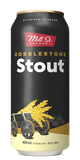
The classic — versatile, comfortable to hold and keeps the beer cool. No frills, no distractions: just the beer.
Drink within 6–12 months for best results. Baltic Porters can be aged longer.
More from Mill Street Brewery



About Porter
Style guide · what to expect · how to find alternatives
What is a Porter?
Porters are dark ales with 4–6.5% ABV and IBU 18–35. Roasted malt brings chocolate, caramel and toffee — medium body with a clean finish.
Finding a similar Porter
hopIQ matches by flavor profile — not just style label. A beer with the same coffee, roasted, rich character as Coffee Porter will score highly even if brewed in a different country or under a different sub-style name.
