STYLE COMPARISON
Stout vs Porter — how do you tell them apart?
This is the hardest comparison in beer, and the honest answer is that the line moved. For two hundred years the words were used interchangeably; a stout was simply a stronger porter. What separates them today is not history but body.
Stout
Porter
Look at the aroma lists and they are nearly identical: roast, chocolate, coffee, dark fruit, all above ninety percent on both sides. The separation sits elsewhere. The median Stout has noticeably more body and more residual sweetness; the Porter runs leaner and drier. That is a real difference in the glass, even though no single flavour note marks it.
SIDE BY SIDE
790 Stout against 272 Porter
Every beer sits on the same four axes. The bar shows the actual spread of each style; the tick marks the median.
Stout runs a step above Porter; the ranges overlap only partly.
Stout runs a step above Porter; the ranges overlap across most of the middle.
Stout runs a step above Porter; the ranges overlap only partly, and Stout spans a wider range.
Stout and Porter sit at the same median, but Stout spans a wider range.
FLAVOUR
What each tastes of
Share of beers in each style carrying the note.
The sharpest divide sits in malty: 91% of Porter but only 49% of Stout.
WHEN TO CHOOSE WHICH
Which one is for you right now
Reach for a Stout when
- You want weight and a coating texture
- Sweetness should carry the roast, not fight it
- It is the last beer of the evening
- Dessert is involved, or should be
Reach for a Porter when
- You want the roast without the weight
- The finish should be drier and shorter
- You are eating rather than sipping
- A Stout has felt like too much before
The short version: they taste of the same things, but a Stout is fuller and sweeter, a Porter leaner and drier. If you like the flavours of dark beer but find Stouts heavy, the Porter is where to look. If you want a dark beer to fill the glass and stay a while, the Stout does that better.
WHERE TO START
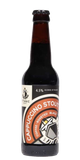
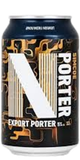
The highest-ranked of each


QUESTIONS
Common questions about this comparison
Is a Stout just a strong Porter?
That is exactly what the word meant originally — "stout porter" was the strong version. The two drifted apart over two centuries, and today the distinction is mostly about body and sweetness rather than strength.
Why do the flavour notes look almost identical?
Because they are. Both use roasted barley or dark malt, and that dominates the aroma. The difference is structural, not aromatic — you feel it rather than smell it.
Where does Guinness sit?
Stout, and specifically a dry Irish one — leaner than most stouts here, which shows how wide the style runs.
Which is better with food?
Porter, usually. The lower sweetness and lighter body leave more room, especially with grilled or smoked dishes. A sweet stout works better alongside dessert than alongside dinner.
Find the style that matches your taste
Rate a few beers and hopIQ tells you which side is closer to your palate — and which to skip.