Carlton & United Breweries
Carlton & United Breweries was formed in Melbourne in 1907, when six Victorian breweries – Carlton, Victoria, Foster's, Shamrock, McCracken's and Castlemaine – merged into one company. Its main brewery stands in the inner suburb of Abbotsford, with further sites in Queensland and Tasmania, and the business has belonged to Asahi Beverages since 2020. Next to its large national labels it keeps a group of older names in production: Crown Lager, Melbourne Bitter, Foster's, the New South Wales brand Reschs, a dark ale and a stout.
Beers by Carlton & United Breweries
13 beers


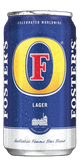
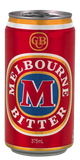
← scroll to see all 13 beers →
The recurring character behind the beers
Carlton & United Breweries brew across 4 style families.
Across these 13 beers, 4 notes keep showing up:
Four notes carry across the range. That's a tight house style — most breweries in the catalogue share just one.
Compared with the wider catalogue of similar styles:
How we measure this
Two thresholds are at work here:
- The signature list shows notes that recur in at least 6% of this brewery's beers. A low bar — enough to flag a pattern, not high enough to call it an exclusive trait.
- The peer comparison below shows only notes where this brewery's coverage differs from similar breweries by at least 20 percentage points. A higher bar — enough to call a real difference, not a nudge.
A note can appear on the signature list without appearing in the peer comparison: it recurs here, but similar breweries do the same thing.
Melbourne Bitter
Their beers place in the Top 41% of the catalogue on average, across 12 ranked beers. One clear standout well ahead of the rest.
Similar Breweries
hopIQ exclusiveBased on style overlap and flavor profile
About Carlton & United Breweries
Carlton & United Breweries was formed in Melbourne in 1907, when six Victorian breweries – Carlton, Victoria, Foster's, Shamrock, McCracken's and Castlemaine – merged into one company. Its main brewery stands in the inner suburb of Abbotsford, with further sites in Queensland and Tasmania, and the business has belonged to Asahi Beverages since 2020. Next to its large national labels it keeps a group of older names in production: Crown Lager, Melbourne Bitter, Foster's, the New South Wales brand Reschs, a dark ale and a stout.
Other breweries from Australia