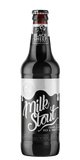
Full body.
The weight carries the beer on its own, leaving the aromatics free to lead.
Tasting Notes
AI-generated sensory profile for Sweet Cow
◎ Appearance
Deep brown to near-black color with a dense, creamy head that settles into a fine collar. The beer presents with full opacity and minimal carbonation visible, creating a still, velvety surface. Lacing clings to the glass in soft, persistent rings.
◌ Aroma
The nose leads with cocoa powder and roasted grain, followed by subtle hints of caramel sweetness. Lactose brings a soft, rounded quality without sharpness. No hop character intrudes; the aroma remains gentle and malt-forward throughout.
◐ Taste
Entry is smooth and full-bodied, with chocolate and malt sweetness coating the palate immediately. Lactose accentuates creaminess at mid-palate, while restrained roasted notes add depth without harshness. Minimal bitterness (25 IBU) allows malt sweetness to dominate, finishing dry-sweet rather than cloying.
◑ Finish
The finish is short to medium, fading smoothly without astringency. A lingering sweetness and soft cocoa note persist briefly on the palate.
Serve & Enjoy
How to get the most out of Sweet Cow
Slightly warmer than you might expect. 10–13°C lets the roasted malt, chocolate and coffee notes open up fully.
The classic — versatile, comfortable to hold and keeps the beer cool. No frills, no distractions: just the beer.
Drink within a year. Standard stouts are best fresh but hold reasonably well for 6–12 months.
Food Pairing
What to eat with Sweet Cow
About Milk Stout
Style guide · what to expect · how to find alternatives
What is a Milk Stout?
Stouts are dark ales with roasted barley character, 4–8% ABV and IBU 25–45. Expect coffee, dark chocolate and toast flavors with a creamy body and dry finish.
Finding a similar Milk Stout
hopIQ matches by flavor profile — not just style label. A beer with the same creamy, smooth, sweet character as Sweet Cow will score highly even if brewed in a different country or under a different sub-style name.