hopIQ
ENDE
Build your DNASign in

Pinkus Special

Tap to rate

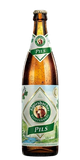
Pinkus Special, labelled by the brewery as an unfiltered "Pilsener Naturtrüb", is matured for around three months at about 0 °C and bottled unfiltered, without protein stabilisers. Brewed to 12.5 °P from organic Bioland malt and hops, it pours a hazy golden yellow. The nose brings bread dough, straw, grass and herbs with a little lemon and stone fruit. The palate is soft and grainy with a fruity yeast note, turning hop-bitter with grass and lemon before a dry finish. It is one of the brewery's best-known beers.

ABV
5.1%
Bitterness
Lightly bitter24 IBU
Citrus hop bitterness
SRM
pale gold4
PaceSession
Where this beer sits
Body
lightfull-bodied
Sweetness
drysweet
Bitterness
mildbitter
Texture
crispcreamy
What makes this beer itself
MaltHop
hoppybreadyfruity
hoppy
bready
fruity
grassy
herbal
malty
Aroma
The nose opens with soft bread dough and grain notes from organic Bioland malt, followed by dried straw and fresh-cut grass.
also:citrusy
not found:juicy,caramel,clean,smoky

Tasting Notes

AI-generated sensory profile for Pinkus Special

◎ Appearance

Pours a hazy golden yellow, characteristic of an unfiltered Pilsener Naturtrüb. The cloudiness stems from suspended yeast and proteins, creating a soft, diffuse appearance. Head retention is modest, with a delicate collar that gradually subsides.

hazy goldenunfilteredfine carbonation

◌ Aroma

The nose opens with soft bread dough and grain notes from organic Bioland malt, followed by dried straw and fresh-cut grass. Herbal Edelpilsen hop character emerges, complemented by subtle lemon zest and hints of stone fruit from the yeast fermentation, creating a complex yet balanced aromatic profile.

bread doughherbal hopslemon, stone fruit

◐ Taste

The palate enters soft and grainy with a pronounced fruity note derived from the yeast. Mid-palate develops a clean hop bitterness with grass and lemon undertones. The finish turns progressively dry, with lingering hoppy bitterness that doesn't overpower the underlying malt sweetness.

soft grainyeast-forwarddry hop finish

◑ Finish

Clean and moderately dry, with the hop bitterness persisting into a lingering aftertaste. The finish is crisp and refreshing, typical of the German Pilsner style, without residual sweetness or astringency.

drycrisp
78
hopIQ score
Aroma
76
Taste
80
Appearance
75
Finish
78
Serve at 4–7°C

Serve well-chilled at 4–6°C for maximum crispness. A pilsner served too warm loses its defining snap.

Pilsner glass

The tall, narrow pilsner glass preserves carbonation and showcases the golden clarity that defines the style.

Drink fresh and cold. Pilsners do not improve with age — within 3 months of packaging is ideal.

+ Sign in to add your tasting note

Food Pairing

What to eat with Pinkus Special

More from Pinkus Müller

Original Pinkus Alt
Original Pinkus Alt
Altbier
5.1%·Lightly bitter
Find matches →
Pinkus Bock
Pinkus Bock
Bock
7.0%·Lightly bitter
Find matches →
Pinkus Classic
Pinkus Classic
Sour Ale
4.4%·Lightly bitter
Find matches →
Pinkus Dunkel
Pinkus Dunkel
Brown Ale
5.3%·Lightly bitter
Find matches →
Pinkus Dunkel Ohne
Pinkus Dunkel Ohne
Alcohol-Free Brown Ale
<0.5%·Lightly bitter
Find matches →
Pinkus Extra
Pinkus Extra
German Pilsner
5.3%·Noticeably bitter
Find matches →
Pinkus Hefe Weizen
Pinkus Hefe Weizen
Hefeweizen
5.0%·Lightly bitter
Find matches →
Pinkus Hell Ohne
Pinkus Hell Ohne
Alcohol-Free Lager
<0.5%·Lightly bitter
Find matches →

About German Pilsner

Style guide · what to expect · how to find alternatives

What is a German Pilsner?

Pilsners are crisp golden lagers with 4–5.5% ABV and IBU 25–45. Defined by spicy, floral Saaz hops over a light malt backbone — bright carbonation and a dry bitter finish.

Finding a similar German Pilsner

hopIQ matches by flavor profile — not just style label. A beer with the same dry, hazy, hoppy character as Pinkus Special will score highly even if brewed in a different country or under a different sub-style name.

Compare with another beer →Explore all German Pilsner beers in hopIQ →New to German Pilsner? Read our guide →Browse Germany beers →