
Brouwerij St. Bernardus
Founded in 1946 in Watou, West Flanders, Brouwerij St. Bernardus began as a cheese factory before transitioning to brewing under license from the Trappist Abbey of Saint Sixtus of Westvleteren. For 46 years — until 1992 — it produced Westvleteren-recipe beers for commercial distribution, using the original Saint Sixtus yeast strain. After the license ended, St. Bernardus continued brewing its own interpretations of those recipes, retaining the authentic yeast strain. The Abt 12 in particular is widely regarded as rivalling Westvleteren 12, the rarest Trappist beer in the world, and is considerably more accessible. The brewery remains family-owned and exports globally.
Beers by Brouwerij St. Bernardus
5 beers



← scroll to see all 5 beers →
The recurring character behind the beers
Brouwerij St. Bernardus brew within a single family — the differences sit in how, not what.
Across these 5 beers, 4 notes keep showing up:
Four notes carry across the range. That's a tight house style — most breweries in the catalogue share just one. 2 of them come through every single beer.
Compared with 122 other breweries brewing Belgian Tripel:
How we measure this
Two thresholds are at work here:
- The signature list shows notes that recur in at least 6% of this brewery's beers. A low bar — enough to flag a pattern, not high enough to call it an exclusive trait.
- The peer comparison below shows only notes where this brewery's coverage differs from similar breweries by at least 20 percentage points. A higher bar — enough to call a real difference, not a nudge.
A note can appear on the signature list without appearing in the peer comparison: it recurs here, but similar breweries do the same thing.
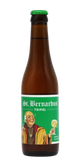
St. Bernardus Tripel
Their beers place in the Top 39% of the catalogue on average, across 5 ranked beers. One clear standout well ahead of the rest.
Similar Breweries
hopIQ exclusiveBased on style overlap and flavor profile
About Brouwerij St. Bernardus
Founded in 1946 in Watou, West Flanders, Brouwerij St. Bernardus began as a cheese factory before transitioning to brewing under license from the Trappist Abbey of Saint Sixtus of Westvleteren. For 46 years — until 1992 — it produced Westvleteren-recipe beers for commercial distribution, using the original Saint Sixtus yeast strain. After the license ended, St. Bernardus continued brewing its own interpretations of those recipes, retaining the authentic yeast strain. The Abt 12 in particular is widely regarded as rivalling Westvleteren 12, the rarest Trappist beer in the world, and is considerably more accessible. The brewery remains family-owned and exports globally.
Other breweries from Belgium