hopIQ
ENDE
Build your DNASign in

1367 Pilsner

Tap to rate

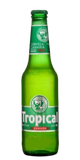
Brilliant golden under a coarse, firm head: the malt lends a pleasant sweetness, the hops a refreshing, gentle bitterness. This bottom-fermented pilsner follows the traditional North German school and is brewed with the estate's own barley and German hops. It was created in honour of the region and its history – Krenkerup Estate has been handed down since 1367 – from nothing but water, malt, hops and yeast.

ABV
4.7%
Bitterness
Noticeably bitter30 IBU
SRM
pale gold3
PaceSession
Where this beer sits
Body
lightfull-bodied
Sweetness
drysweet
Bitterness
mildbitter
Texture
crispcreamy
What makes this beer itself
MaltHop
maltyhoppyclean
malty
hoppy
clean
Aroma
The nose opens with soft, grainy Malz notes—gentle and understated rather than assertive.
not found:juicy,caramel,fruity,smoky

Tasting Notes

AI-generated sensory profile for 1367 Pilsner

◎ Appearance

Brilliant golden hue with exceptional clarity and luminous transparency. A coarse, firm head forms atop the beer and clings persistently to the glass as the pour subsides, leaving distinct lacing with each sip. Fine carbonation maintains steady visual effervescence throughout.

brilliant goldenpersistent headclean clarityfine carbonation

◌ Aroma

The nose opens with soft, grainy Malz notes—gentle and understated rather than assertive. German noble hops contribute a quiet herbal and floral character, complemented by a whisper of mineral-like crispness from the water profile. No yeast-driven esters or phenolics intrude; the aroma remains restrained and traditional.

grainy Malzherbal Edelhopfenmineral waterclean

◐ Taste

Entry is refreshingly crisp, leading into a malty mid-palate where the estate barley imparts subtle sweetness without cloying heaviness. Noble hops provide a refined, gentle bitterness that emerges gradually and recedes without dominating; the interplay between sweet and bitter remains harmonious and well-defined.

malty sweetnessrefined bitternesscrisp entrybalanced

◑ Finish

The finish is clean and moderately dry, with lingering mineral notes and a faint hoppy echo. No rough edges or astringency; the aftertaste fades evenly into neutral dryness.

dry finishmineral lingeringclean fade
82
hopIQ score
Aroma
80
Taste
82
Appearance
88
Finish
78
Serve at 4–7°C

Serve well-chilled at 4–6°C for maximum crispness. A pilsner served too warm loses its defining snap.

Pilsner glass

The tall, narrow pilsner glass preserves carbonation and showcases the golden clarity that defines the style.

Drink fresh and cold. Pilsners do not improve with age — within 3 months of packaging is ideal.

+ Sign in to add your tasting note

Food Pairing

What to eat with 1367 Pilsner

More from Krenkerup Bryggeri

Krenkerup Alkoholfri Classic
Alcohol-Free Lager
<0.5%·Lightly bitter
Find matches →
Krenkerup Alkoholfri Pilsner
Alcohol-Free Lager
<0.5%·Lightly bitter
Find matches →
Krenkerup Brown Ale
Krenkerup Brown Ale
Brown Ale
5.3%·Lightly bitter
Find matches →
Krenkerup Classic
Krenkerup Classic
Vienna Lager
4.8%·Lightly bitter
Find matches →
Krenkerup Doppel Bock
Doppelbock
8.3%·Noticeably bitter
Find matches →
Krenkerup Guld
Krenkerup Guld
Dortmunder Export
5.7%·Lightly bitter
Find matches →
Krenkerup IPA
Krenkerup IPA
IPA
5.9%·Noticeably bitter
Find matches →
Krenkerup Juleøl
Krenkerup Juleøl
Dubbel
6.3%·Lightly bitter
Find matches →

About German Pilsner

Style guide · what to expect · how to find alternatives

What is a German Pilsner?

Pilsners are crisp golden lagers with 4–5.5% ABV and IBU 25–45. Defined by spicy, floral Saaz hops over a light malt backbone — bright carbonation and a dry bitter finish.

Finding a similar German Pilsner

hopIQ matches by flavor profile — not just style label. A beer with the same refreshing, malty, sweet character as 1367 Pilsner will score highly even if brewed in a different country or under a different sub-style name.

FEATURED IN

Compare with another beer →Explore all German Pilsner beers in hopIQ →New to German Pilsner? Read our guide →Browse Denmark beers →