BEER STYLE GUIDE
What is a Witbier?
Witbier was nearly extinct by the 1950s. Belgian farmhouse breweries had given way to industrial lager, and the hazy, spiced white beer of Wallonia had almost disappeared completely. Then a milkman named Pierre Celis revived it in 1966 in the town of Hoegaarden, and Hoegaarden White became one of the most recognisable beers in the world. Then AB InBev bought the brewery. Such is Belgian beer history.
Wit means "white" in Dutch — appropriate for a beer that pours a hazy pale gold, almost milky in the glass. Unlike German wheat beers, Witbier's aromatics come not from yeast but from spice additions: dried orange peel (typically Curaçao bitter orange) and ground coriander seed. The combination produces a citrusy, herbal, slightly spicy character unlike any other beer. ABV sits at 4.5–5.5% — low enough to drink in quantity, complex enough to stay interesting the whole time.
WHERE IT SITS
97 Witbier & Wheat on the four axes
Every beer in hopIQ is read on the same four axes. The bar shows the style range, the tick marks the median — two reference beers place themselves within it.
What this style tastes of
Share of the 97 beers in hopIQ carrying each note.
99% of the 97 beers carry a wheat note — the most consistent trait of the style.
HOW IT TASTES
Soft malt, then a dry finish
Light and hazy gold in the glass with a soft creamy head. The citrus from the orange peel hits first — bright, slightly bitter, like orange marmalade. Coriander follows: herbal, slightly lemony, a bit like fresh bread. The wheat malt base is gentle and rounded. Very low bitterness. The finish is dry and refreshing. Serve cold with a wedge of orange if you want to be traditional; skip the orange if you want to taste the beer properly.
You'll like it if you enjoy
- citrusy cocktails and drinks
- herbal and spiced flavours
- light refreshing beers
- Hefeweizen but want something brighter
- summer drinking in general
Look elsewhere if you want
- heavy malt-forward beers
- strong bitterness or hop character
- very dry or austere finishes
- lager-level neutrality and simplicity
97 WITBIER & WHEAT IN HOPIQ
The highest-ranked Witbier & Wheat
Ranked by hopIQ Score — style fit, user engagement and awards. Not marketing budget.

COMPARED TO
Witbier & Wheat against other styles
QUESTIONS
Common questions about Witbier & Wheat
Is a Witbier the same as a Wheat Beer?
Every Witbier belongs to the Wheat Beer family, but not every Wheat Beer is a Witbier. The family describes the fermentation or base character; Witbier is a specific style within that family.
What's the difference between a Witbier and a Hefeweizen?
Bavaria's hazy wheat beer — why it smells like banana and tastes like summer. The dedicated guide "What is a Hefeweizen?" covers the style in detail.
Which Witbier should I start with?
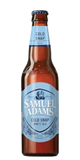
Samuel Adams Cold Snap (Samuel Adams) sits at the top of the Witbier ranking in hopIQ — the most straightforward starting point.
How cold should a Witbier be served?
5–7°C. Colder mutes the malt notes; warmer brings the aromatics and alcohol forward.
Find the Witbier & Wheat that fits your taste
Rate a few beers and hopIQ tells you which in the catalogue matches your palate — and which to skip.