Skol
Skol is a mass-market lager brand sold throughout Brazil. The name comes from the Scandinavian toast skål, and the brand began in Europe in the 1960s as an international lager meant to be brewed under licence. It reached Brazil in 1967 through Cervejaria Rio Claro; Companhia Cervejaria Brahma took over the Brazilian rights in 1980, and since 1999 the brand has belonged to Ambev, part of AB InBev. Skol has no brewery of its own and is produced across Ambev's plants. In 1971 it put the first beer can on the Brazilian market.
Beers by Skol
3 beers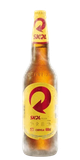
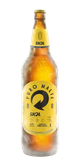
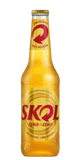
The recurring character behind the beers
Drawn from all 3 beers in the catalogue.
With 3 beers, only recurring notes are shown — one unusual beer moves this a lot.
Everything sits in one family — which makes the comparison below the interesting part. It isn't what they brew that sets them apart, but how.
Skol's beers land close to what is typical for the American Lager, Pale Lager and Alcohol-Free Lager styles they brew. The character is in the styles they choose and how consistently they hit them — not in standing apart from the field.
Similar Breweries
hopIQ exclusiveBased on style overlap and flavor profile
About Skol
Skol is a mass-market lager brand sold throughout Brazil. The name comes from the Scandinavian toast skål, and the brand began in Europe in the 1960s as an international lager meant to be brewed under licence. It reached Brazil in 1967 through Cervejaria Rio Claro; Companhia Cervejaria Brahma took over the Brazilian rights in 1980, and since 1999 the brand has belonged to Ambev, part of AB InBev. Skol has no brewery of its own and is produced across Ambev's plants. In 1971 it put the first beer can on the Brazilian market.
Other breweries from Brazil