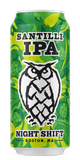
Wild Cat IPA
Citra and Mosaic hops give Wild Cat IPA a clearly hoppy character. At 6.0% it is stronger than anything in the brewery's six-beer core range, and the Fat Cat pub lists it among the ales it sells in tappits and polypins.

Tasting Notes
AI-generated sensory profile for Wild Cat IPA
Serve well-chilled. Session IPAs are at their best cold — the lower ABV means less warmth to balance the hops.
The curved shape concentrates hop aromas and supports a thick head. Essential for aromatic ales and IPAs where the nose is half the experience.
Drink fresh. Session IPAs are brewed to be consumed young — the hops are at their best now.
More from Fat Cat Brewery


About IPA
Style guide · what to expect · how to find alternatives
What is a IPA?
IPAs are hop-forward ales with 5.5–7.5% ABV and IBU 40–70+. Bold hop aroma — citrus, tropical, resinous — with firm bitterness and a dry, clean finish.
Finding a similar IPA
hopIQ matches by flavor profile — not just style label. A beer with the same hoppy, citrusy, crisp character as Wild Cat IPA will score highly even if brewed in a different country or under a different sub-style name.