HOPIQ FACEOFF
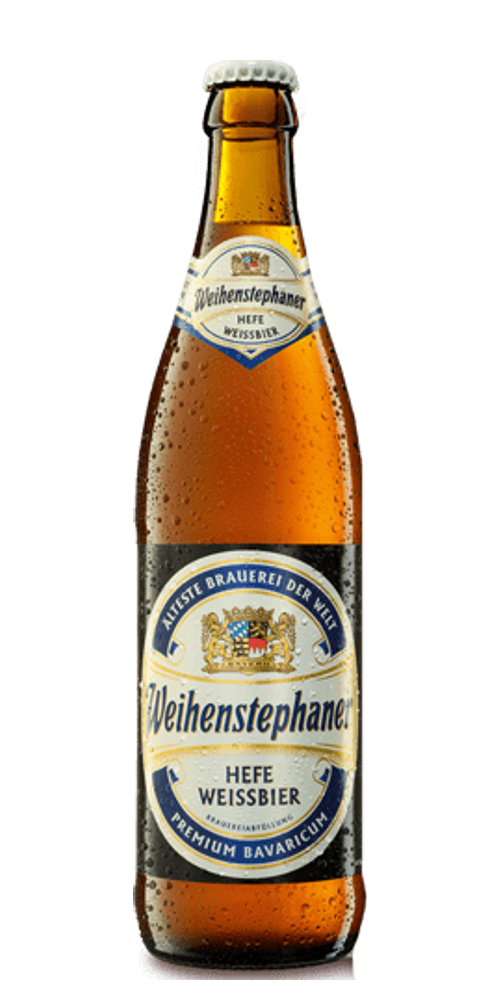
Bayerische Staatsbrauerei Weihenstephan · Germany · Hefeweizen
THE HOPIQ TAKE
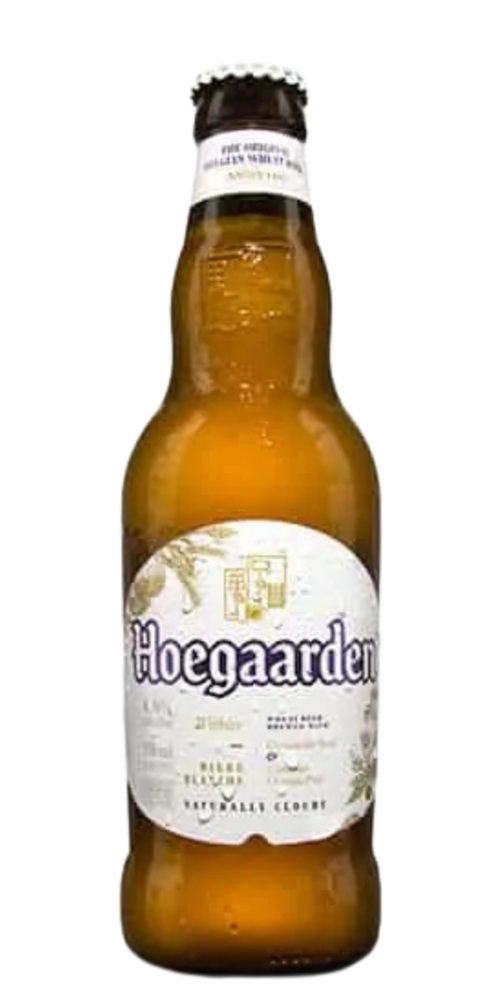
Both are cloudy wheat beers, both are excellent, both have justifiably iconic status — and beyond that they're genuinely different drinks. Weihenstephaner is the Bavarian Hefeweizen: all the flavour from yeast, rich banana-clove character, more body, more beer. Hoegaarden is Belgian witbier: spiced with coriander and orange peel by recipe, lighter in body, more citrusy and refreshing. The choice depends on whether you want your wheat beer to taste of grain and yeast working beautifully together (Weihenstephaner) or grain and spice in a lighter, more refreshing format (Hoegaarden).
SIDE BY SIDE
| Weihenstephaner Hefeweissbier | Hoegaarden Original White Ale | |
| ABV | 5.4% | 4.9% |
| IBU | 14 | 10 |
| Colour | Hazy gold, SRM 4 | Very pale hazy, SRM 2 |
| Style | Hefeweizen | Witbier |
| Origin | Germany | Belgium |
WHEN TO CHOOSE WHICH
Pick Weihenstephaner Hefeweissbier when…
- →You want the full Bavarian Hefeweizen experience — the definitive version
- →You prefer yeast-derived complexity over added spices
- →More substantial food pairing — the fuller body handles it better
- →You want to taste history — this yeast strain is older than most countries
Pick Hoegaarden Original White Ale when…
- →Summer, heat, maximum refreshment — Hoegaarden is lighter and crisper
- →Wine-drinking friends you're introducing to wheat beer — more immediately approachable
- →Citrus and spice appeal more than banana and clove
- →A lemon slice works here and actually improves it in hot weather
WHAT IT TASTES OF
Both beers
STRUCTURE — HOW IT'S BUILT
TASTING NOTES
SIMILARITY SCORE
50%
FREQUENTLY ASKED QUESTIONS
What is the difference between Weihenstephaner and Hoegaarden?
Weihenstephaner Hefeweissbier (5.4% ABV) is a Bavarian Hefeweizen — unspiced, with banana and clove flavours from yeast fermentation, and a fuller body. Hoegaarden (4.9% ABV) is a Belgian Witbier — lighter, spiced with coriander and dried orange peel, giving it a citrusy, refreshing character. Both are cloudy wheat beers but from entirely different traditions.
Is Weihenstephaner better than Hoegaarden?
They are different styles and not directly comparable. Weihenstephaner is the more technically accomplished and complex beer, consistently ranked among the world's finest Hefeweizens. Hoegaarden is lighter and more refreshing, better suited to warm weather and casual drinking. Weihenstephaner wins on depth; Hoegaarden wins on approachability.
What is a Witbier?
Witbier ('white beer' in Dutch/Flemish) is a Belgian wheat beer style brewed with a proportion of unmalted wheat and typically spiced with coriander and dried bitter orange peel. It is light, cloudy, refreshing and low in bitterness. The style was nearly extinct until Pierre Celis revived it in Hoegaarden in 1966.
Can you drink Hefeweizen and Witbier the same way?
Both are traditionally served in tall glasses, often with a slice of lemon (Witbier) or plain (Hefeweizen). Hefeweizen is traditionally poured by swirling the bottle to rouse the yeast before adding the last pour. Both should be served cold at 6–8°C for best results.