HOPIQ FACEOFF
THE HOPIQ TAKE
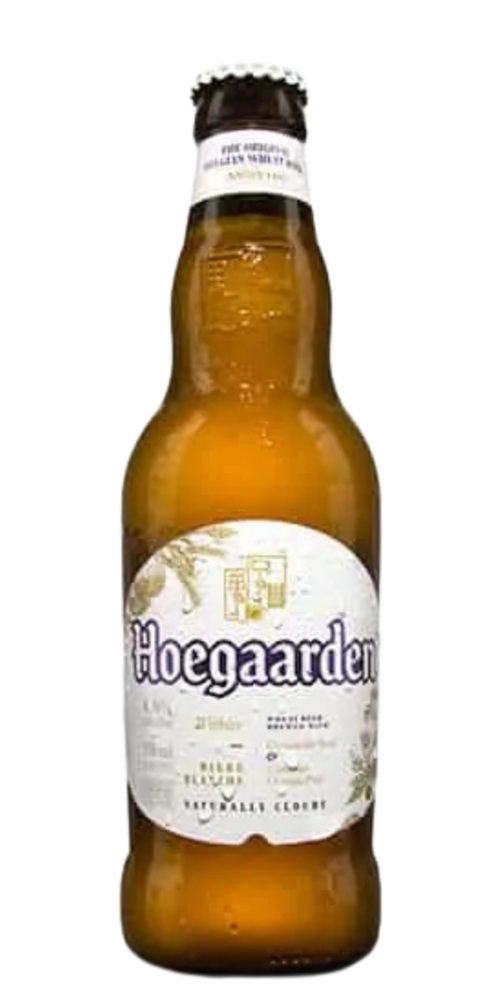
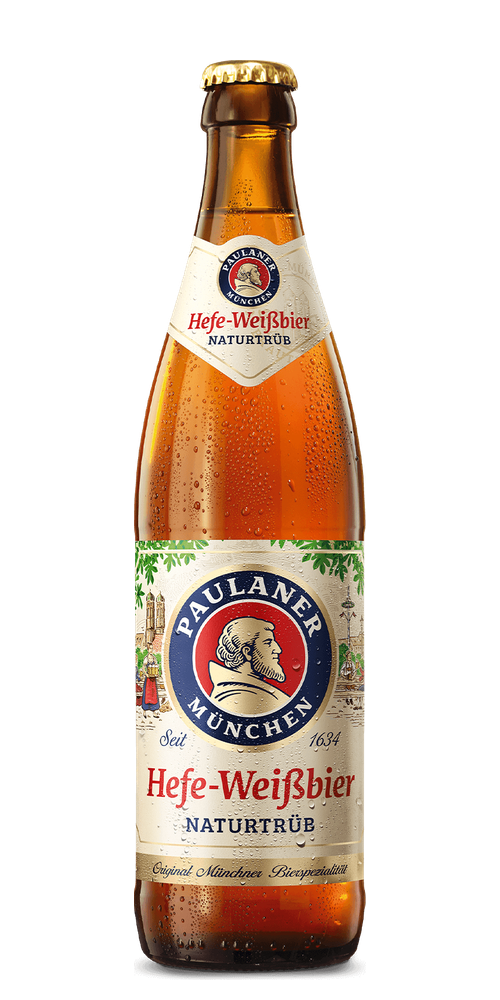
Belgian witbier versus Bavarian Hefeweizen — both are wheat beers, both are cloudy, but they're quite different to drink. Hoegaarden is spiced (coriander and orange peel by recipe), lighter in body, more citrusy and refreshing. Paulaner is spiced by yeast alone (the clove and banana come from the W-strain), richer in body, more traditionally 'beer'. Hoegaarden is the gateway wheat beer for people who usually drink wine; Paulaner is for people who already like beer but want wheat. Both are excellent. The choice is really about what kind of afternoon you're having.
SIDE BY SIDE
| Hoegaarden Original White Ale | Paulaner Hefeweissbier | |
| ABV | 4.9% | 5.5% |
| IBU | 10 | 15 |
| Colour | Very pale, hazy, SRM 2 | Hazy gold, SRM 4–5 |
| Style | Witbier | Hefeweizen |
| Origin | Belgium | Germany |
WHEN TO CHOOSE WHICH
Pick Hoegaarden Original White Ale when…
- →Hot day, pure thirst, something that doesn't feel heavy
- →Wine drinkers you want to introduce to wheat beer — lighter and more immediately refreshing
- →A lemon slice makes complete sense with this beer; embrace it
- →Late afternoon aperitif when you want something lighter than a full Hefeweizen
Pick Paulaner Hefeweissbier when…
- →You want a wheat beer that still feels like a proper beer with some weight
- →Food pairing — the fuller body handles more substantial dishes
- →Munich beer context — this feels authentic to the Bavarian wheat beer tradition
- You prefer naturally fermented spice character over added spices
WHAT IT TASTES OF
Both beers
STRUCTURE — HOW IT'S BUILT
TASTING NOTES
SIMILARITY SCORE
41%
FREQUENTLY ASKED QUESTIONS
What is the difference between Hoegaarden and Paulaner Hefeweizen?
Hoegaarden (4.9% ABV) is a Belgian Witbier — spiced with coriander and dried orange peel, giving it a citrusy, spicy character. Paulaner Hefeweissbier (5.5% ABV) is a Bavarian Hefeweizen — unspiced, with flavours coming entirely from a special yeast (banana, clove). Both are cloudy wheat beers but represent entirely different traditions.
Is Hoegaarden a Hefeweizen?
No. Hoegaarden is a Witbier (Belgian white beer), not a Hefeweizen. Although both are cloudy wheat beers, they are different styles. Witbier uses spices (coriander, orange peel) and is Belgian in origin. Hefeweizen uses no spices and gets its flavour from yeast, and is Bavarian in origin.
Which is more refreshing, Hoegaarden or Paulaner?
Hoegaarden is generally considered more refreshing — its citrus and spice character and lower ABV (4.9% vs 5.5%) make it a lighter, more summery drink. Paulaner Hefeweizen has more body and complexity. Both are excellent warm-weather beers.
Who makes Hoegaarden?
Hoegaarden is brewed in Hoegaarden, Belgium, and is owned by AB InBev. The modern Witbier style was revived by Pierre Celis in Hoegaarden in 1966 after the last local brewery had closed. It became hugely influential in establishing Belgian white beer as a global style.