HOPIQ FACEOFF
THE HOPIQ TAKE
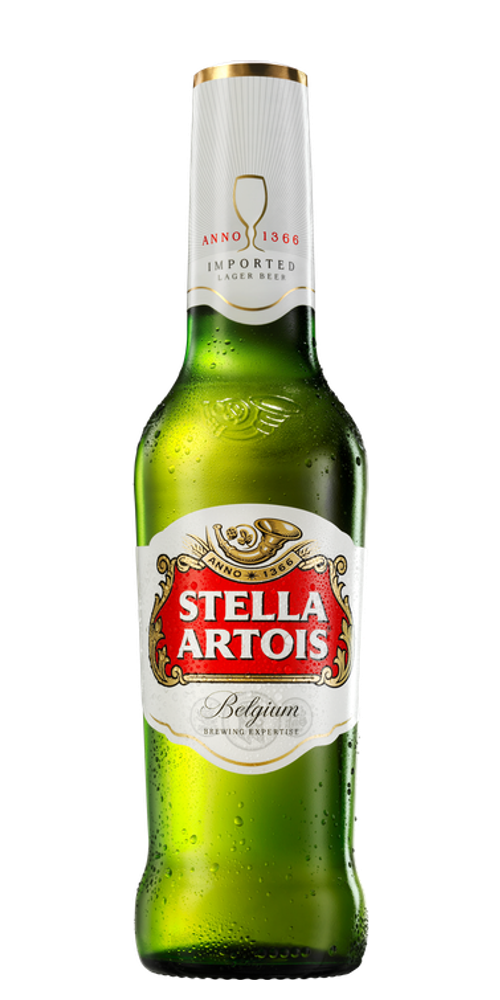
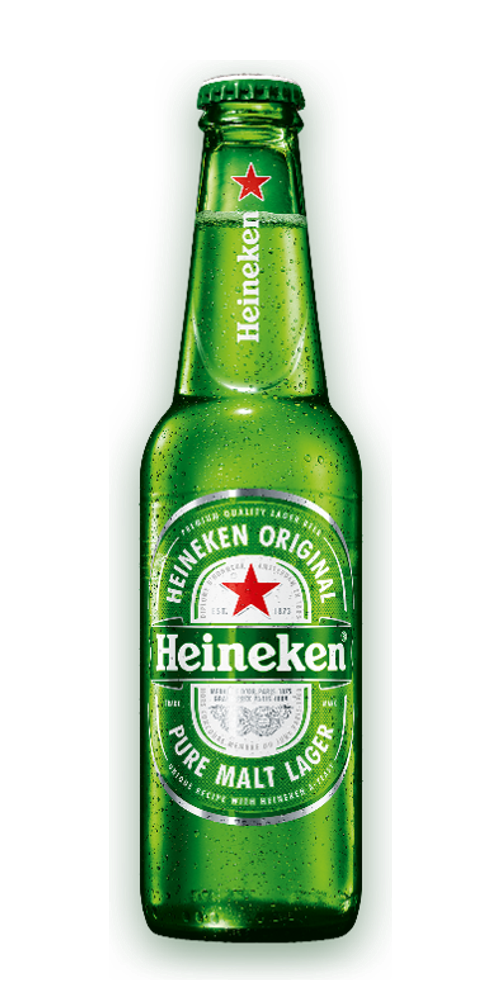
The two dominant premium international lagers, and choosing between them is less about beer preference and more about which cultural association you're comfortable with. Stella has been doing image rehabilitation for years after the 'wife beater' tag; Heineken has been everywhere so long it's become furniture. On the beer itself: Stella is slightly sweeter and fuller, Heineken is slightly more bitter and thinner. Stella at 5.2% catches some people off guard after years of 5%. Both are technically competent, mass-produced lagers that taste better cold from the can than warm from a glass. Neither would admit this.
SIDE BY SIDE
| Stella Artois | Heineken Premium Lager | |
| ABV | 5.2% | 5.0% |
| IBU | 23 | 19 |
| Colour | Pale gold, SRM 3 | Pale gold, SRM 3 |
| Style | German Pilsner | Lager |
| Origin | Belgium | Netherlands |
WHEN TO CHOOSE WHICH
Pick Stella Artois when…
- →You want something that feels slightly more substantial, a proper pint
- →Food pairing with richer dishes — the extra body handles them better
- →You're not planning a long session and want something with slightly more to it
- →The chalice glass is available — Stella in a chalice is part of the experience
Pick Heineken Premium Lager when…
- →Long session, hot weather — slightly lighter in body, easier to drink more of
- →Pub rounds where everyone wants the most universally acceptable option
- →You want the hop-forward character more than the malt
- →You're somewhere Stella isn't as reliable quality — Heineken is more consistent globally
WHAT IT TASTES OF
Both beers
STRUCTURE — HOW IT'S BUILT
TASTING NOTES
SIMILARITY SCORE
58%
FREQUENTLY ASKED QUESTIONS
What is the difference between Stella Artois and Heineken?
Stella Artois (5.2% ABV) is a Belgian pilsner-style lager — slightly fuller-bodied with a mild bitterness and a clean, slightly sweet malt character. Heineken (5.0% ABV) is a Dutch pale lager — lighter and crisper, with a grassy, mildly bitter hop note. Both are premium international lagers but Stella has more body and Heineken more hop presence.
Is Stella Artois stronger than Heineken?
Slightly. Stella Artois is 5.2% ABV versus Heineken's 5.0% ABV. The difference is minimal in practice.
Where is Stella Artois from?
Stella Artois originated in Leuven, Belgium, where it was first brewed in 1926 as a Christmas beer (Stella means 'star' in Latin). It is now owned by AB InBev and brewed in multiple countries. Despite its origins, it is now considered an international rather than distinctly Belgian brand.
Why does Heineken sometimes taste skunky?
The distinctive 'skunky' note some drinkers detect in Heineken comes from lightstruck hop compounds that form when hops are exposed to light through the green glass bottle. Heineken in cans or on draught does not have this character. The flavour is caused by 3-methyl-2-butene-1-thiol (MBT), produced when UV light reacts with hop acids.