HOPIQ FACEOFF
Austria · Märzen / Oktoberfest · 5.3% ABV
64%
Overall similarity
hopIQ take
Freistädter Ratsherrn Premium if you want a gentler, malt-forward sipper,
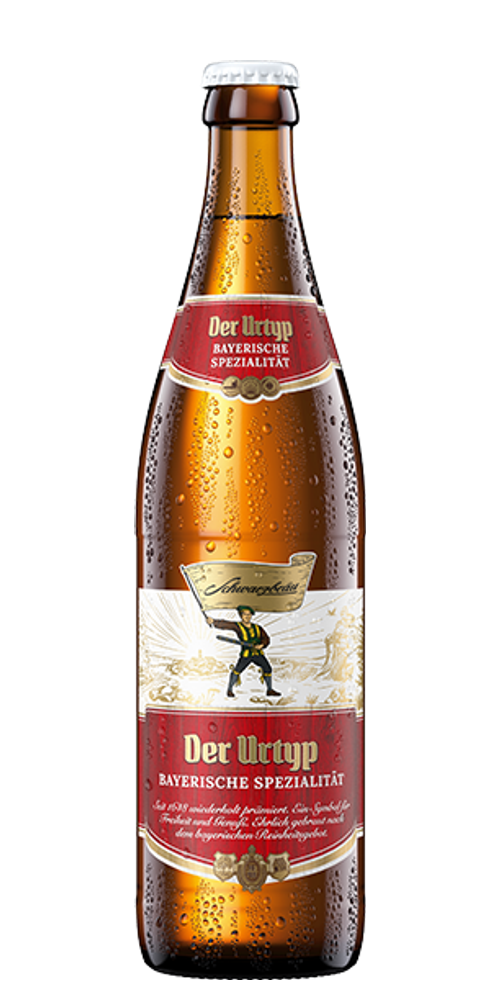
Schwarzbräu Der Urtyp if you want more structure and grip.
Both are classic Central European lagers—clean, honest, no pretense—but they're built on different blueprints. The Freistädter leans into the soft, bread-and-honey ease of a true Märzen; the Schwarzbräu carries the stockier, slightly drier bones of a Dortmunder. At 0.2% ABV and 3 IBU apart, they feel further apart than the numbers suggest.
At a glance
The differences that matter
Generated from the four anchored axes — never hand-written.
Beer DNA
Where they separate
Body
Δ 6
Sweetness
Δ 2
Situations
When to choose which
In words
Tasting notes
Freistädter Ratsherrn Premium
The Freistädter hits you with a warm grain sweetness right away—like biting into fresh rye bread with a little honey on it. There's a soft, almost creamy middle that doesn't demand much from you; it just asks you to sit with it. The finish is clean and barely bitter (22 IBU is barely there), which means the malt gets to speak the whole time. This is the kind of beer that tastes better the more relaxed you are.
Schwarzbräu Der Urtyp
The Schwarzbräu comes in with more backbone—you feel the carbonation, the slightly drier grain bill, a hint of minerality underneath. It's still smooth, but there's a firmness to it, a tautness that keeps you engaged. The 25 IBU is subtle but present, giving the finish a little snap instead of drift. This one rewards you for paying attention, whereas the Freistädter just wants to be your friend.
See what fits your taste
hopIQ scores every beer against your palate, not the average drinker's.
Build your Beer DNAKeep exploring
Similar beers
Beers like Freistädter Ratsherrn Premium
View alternatives →Beers like Schwarzbräu Der Urtyp
View alternatives →